2027 – 2076

The world in 2076

It is 2076. Decades after the blackout of 2027, the Stability Partnership holds much of the world. Independent forces still defend the last free lands.

FROM THE PROLOGUE · 2027–2076

How it came to this

The blackout. The promise of order. The shores that still hold. Follow the world that brings you to Operation Meridian.

  1. 2026–2036

    The Fracture Years

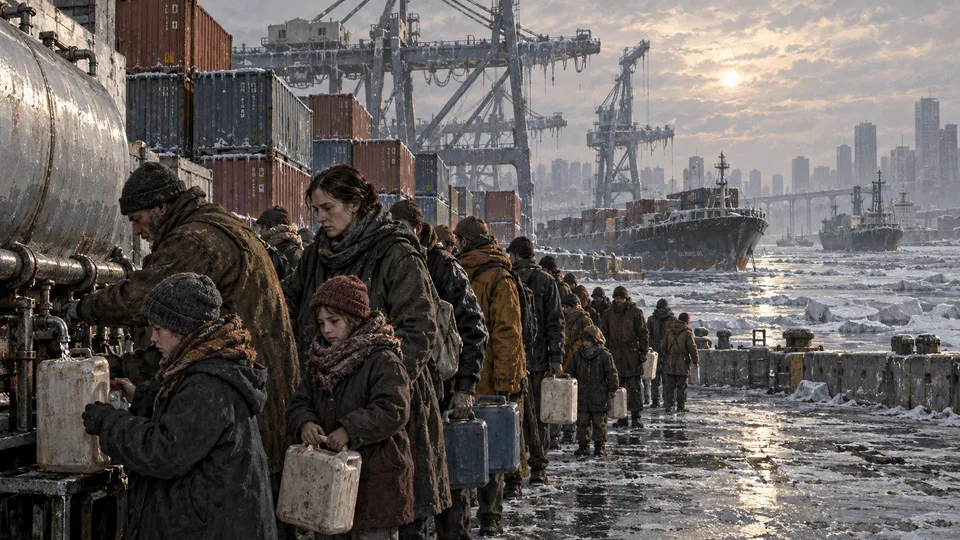
    Climate shocks, debt, damaged supply chains and ever more centralised emergency systems. In every crisis, every government reached for emergency command, and advisers were waiting with the paperwork.

  2. 2027

    The Black Relay

    For seventy-two hours the cables, satellites and clearing systems of the whole world failed together. Some infrastructure broke; some was switched off; frightened authorities signed away powers to get services back. Every power found proof that a rival did it.

  3. 2027–2046

    The Long Fall

    The Stability Partnership presented itself as the emergency solution and spread through whatever was already broken. Its Directorate took military and industrial control; its Community took transport, grids and production. People expected a Forty Day War.

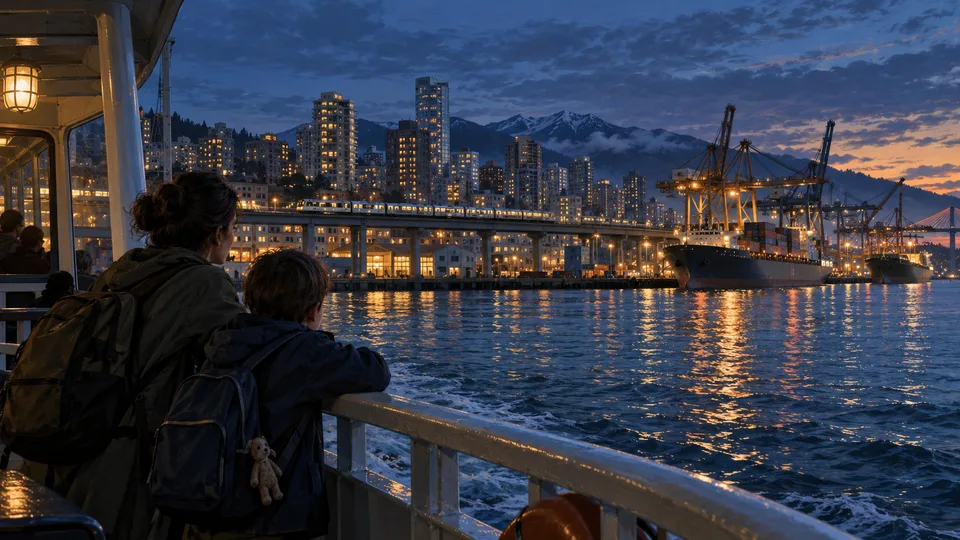
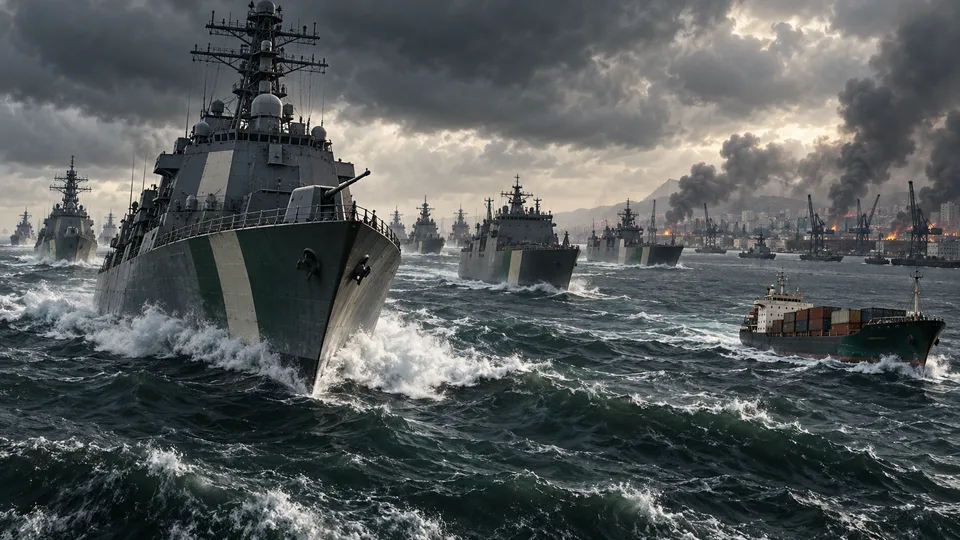
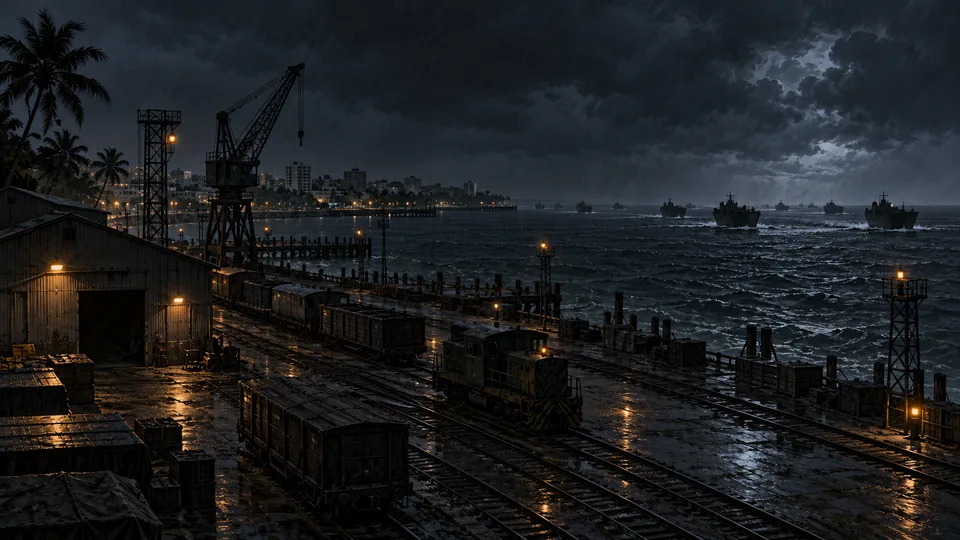
    A Stability Partnership fleet approaches a commercial harbour
    The price of orderThe Partnership offered safety. Control was the price.
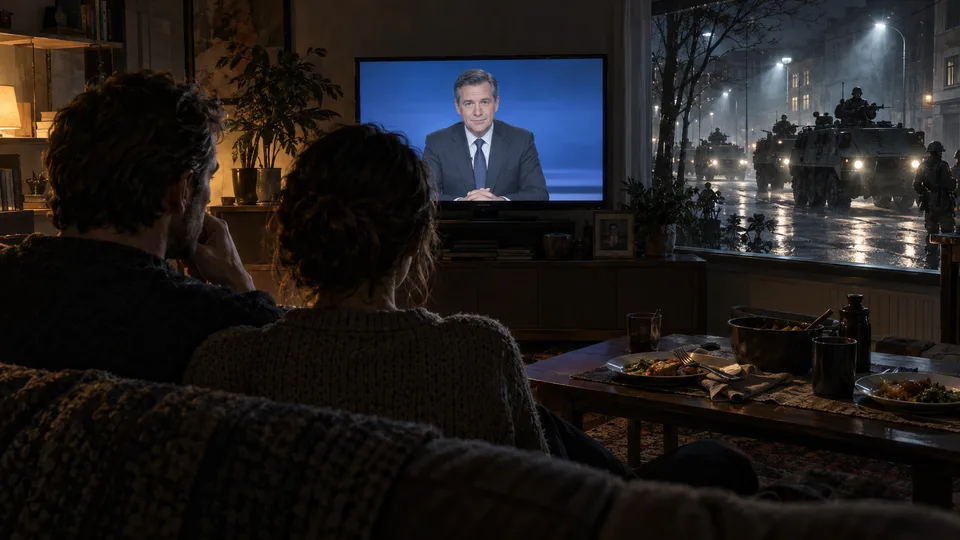
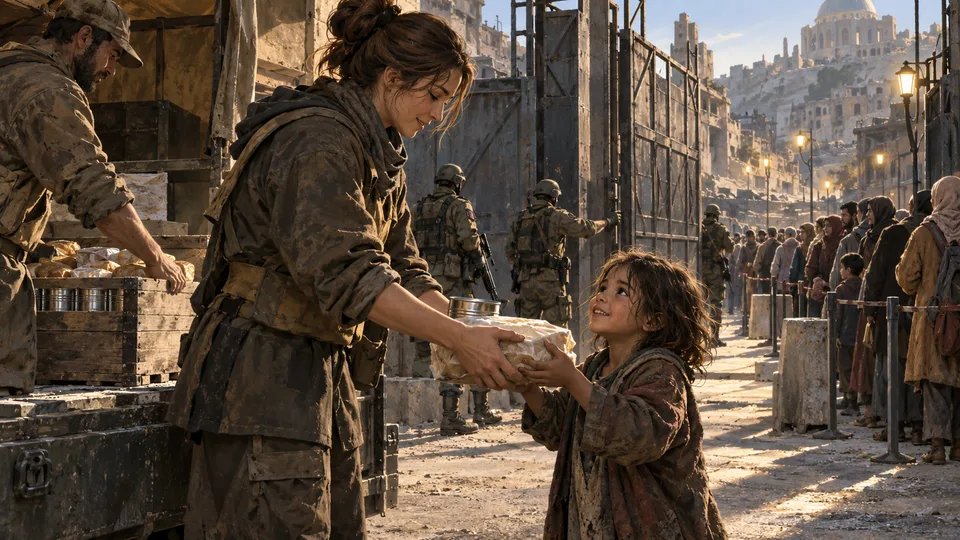
    A woman gives food to a child while soldiers guard a street in an occupied city
    Relief behind a checkpointSupplies returned. Freedom of movement did not.
  4. 2046

    Stability Order 46

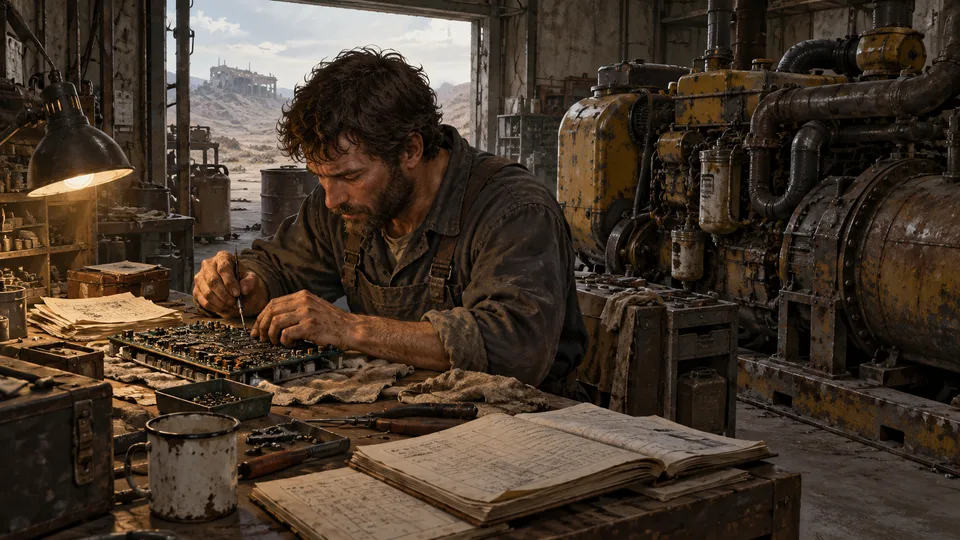
    Independent designs, fabrication equipment and expertise are restricted. People call the dependency that follows the Stillness: factories build controlled patterns, workshops repair old hulls, and resistance engineers adapt what they can.

  5. 2047–2070

    The Long Middle

    A war that could not end settled into a shape. The two wings of the Partnership ran the world and quietly prepared to run each other. The free blocs built an emergency network to coordinate after the next attack, and a generation grew up that had never seen peace.

  6. 2071

    Jakarta

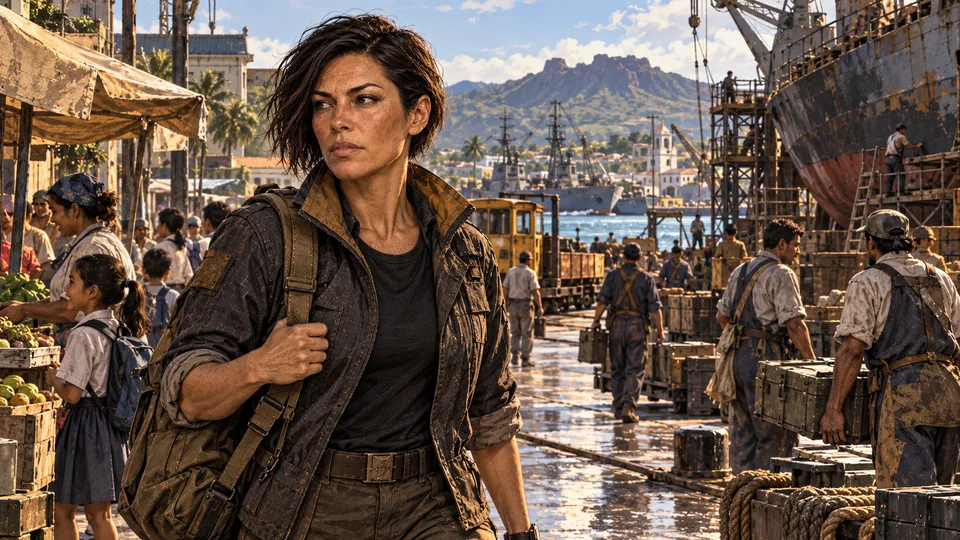
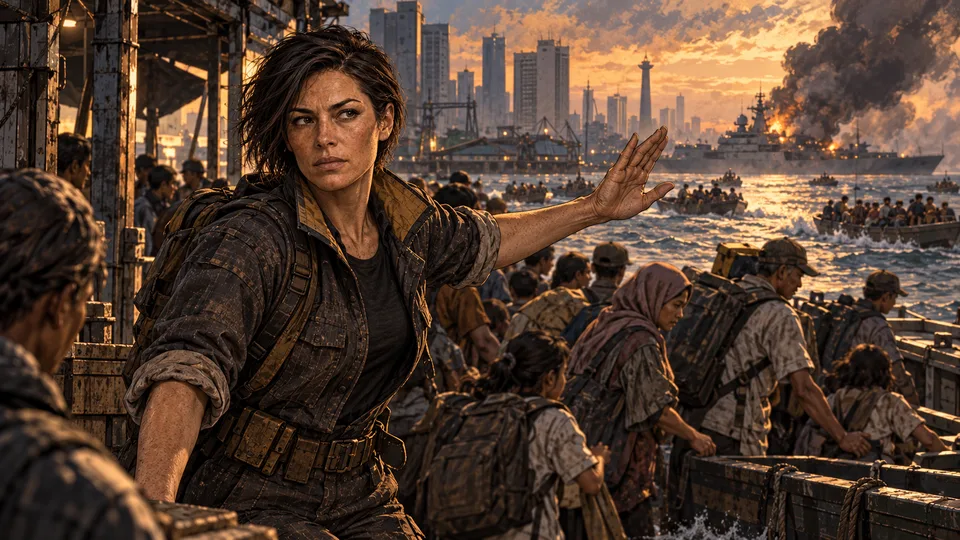
    Ordered to save her task force, Commander Maya Voss held the docks instead and brought the civilians out. It made her famous. It cost ships, and it cost her brother.

  7. 2075

    Aurora Fire

    Incidents between Directorate and Community deepen the distrust between the two wings. Their partnership still holds, but it is brittle.

  8. 2076

    Operation Meridian

    Southern Cross prepares an expedition to reconnect its isolated allies before the Atlantic falls. On 1 March the Partnership comes over the Timor Sea at Darwin, and the game begins.

The free blocs and the occupation

The blocs

Australia and the Pacific

Southern Cross Commonwealth

Soldiers call it the Cross

The last intact power of the old alliance, and where Operation Meridian begins. Expeditionary logistics and amphibious reach, in ochre, charcoal and eucalyptus green; repaired naval and field equipment.

Japan

Kintsugi

Soldiers call it the Network

The underground state, named after the art of mending pottery with gold. Organisers and engineers restoring independent design and manufacture under an occupation that has never found anything to capture.

Africa

Liberation Coalition

Soldiers call it Many Fires

Regional commands and civic networks that began as engineers agreeing on a radio frequency. Distributed power and mutual aid, with no imposed state and no foreign bases.

Europe’s free commands

Compass Compact

Soldiers call it the Compass

Northern endurance and southern resistance connected by accountable command. Sweden the anvil, Spain the spark, and the promise that no European front negotiates alone.

Eastern North America

Atlantic Continuity

Soldiers call it the Line

Fortress, rail and air defence under prolonged siege, from the Atlantic coast to the Great Lakes and Canada’s northern corridor. Heavy, layered and tired.

Latin America

Continental Concord

Soldiers call it the Concord

Northern and southern commands that share political responsibility: territorial consent, rail logistics and sea routes. Neutral, consensual and armed.

The occupation’s military wing

The Directorate

Soldiers call it the Winter

Marshal Orlov commands the Partnership’s military wing: armour, massed troops and artillery in oxide red, black and winter grey.

The occupation’s logistics wing

The Community

Soldiers call it the Lattice

General Lin controls transport, production and machine networks. In jade, ivory and graphite, the Community captures the infrastructure that keeps cities running.